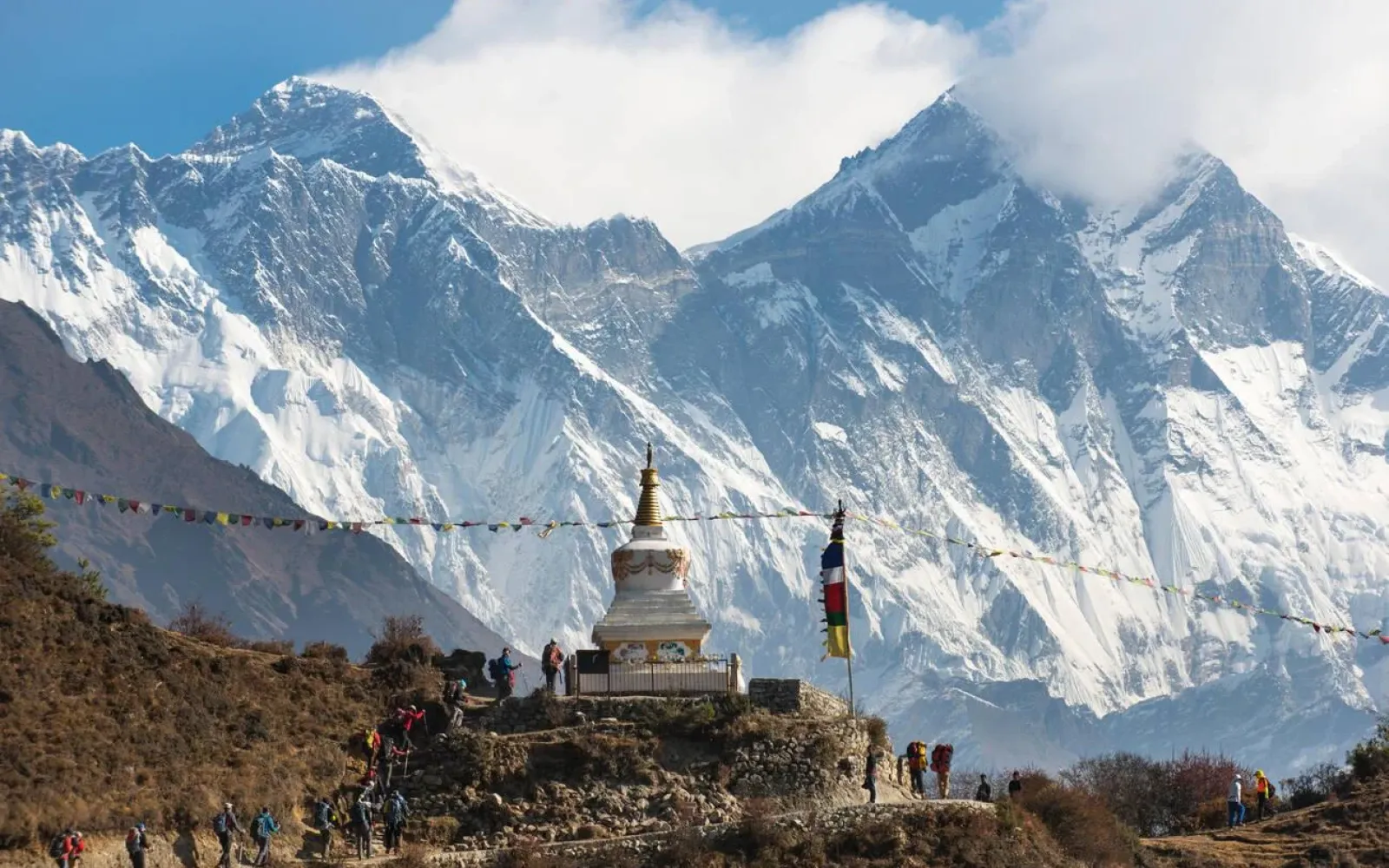
The Everest Base Camp Trek is one of the most iconic trekking experiences in the world, taking you deep into the heart of the Himalayas. This journey combines breathtaking mountain scenery, rich Sherpa culture, and a physically challenging but deeply rewarding trekking route. With proper preparation, guidance, and pacing, trekkers can complete this adventure and stand at the base of the world’s highest peak.
With Trail Mania Trek, the experience is carefully designed to balance safety, acclimatization, and enjoyment. From your arrival in Kathmandu to your final departure, every stage of the trek is organized to ensure a smooth and memorable Himalayan journey.
Key highlights of a successful trek include:
The Everest Base Camp Trek is more than just a hike; it is a transformative journey that challenges your endurance while rewarding you with unmatched natural beauty. Trekking through remote Himalayan valleys, crossing suspension bridges, and walking alongside glaciers creates an unforgettable sense of achievement and connection with nature.
For many travelers, reaching Everest Base Camp symbolizes personal strength and determination. The experience becomes even more meaningful when guided by Trail Mania Trek, ensuring safety, cultural understanding, and a deeper appreciation of the Khumbu region and its people.
Why this trek is life-changing:
The Everest Base Camp Trek route follows a well-established trail through the Khumbu region, beginning with a flight to Lukla and passing through famous villages such as Namche Bazaar, Tengboche, Dingboche, and Lobuche before reaching Everest Base Camp. The return journey retraces the same route, allowing trekkers to experience the landscape from a different perspective.
With Trail Mania Trek, the itinerary is structured to include proper acclimatization days and gradual altitude gain. This helps trekkers adapt safely to high elevations while enjoying the changing Himalayan scenery—from lush forests to barren alpine terrain and glaciers.
Main route highlights:
Important points for the route:
Choosing the right season is crucial for a successful Everest Base Camp Trek. The best time depends on weather stability, visibility, and trail conditions. Spring and autumn are widely considered ideal due to clear skies, moderate temperatures, and excellent mountain views.
Trail Mania Trek recommends planning your journey during peak trekking seasons to maximize safety and visibility while enjoying comfortable trekking conditions.
Best trekking seasons:
Spring (March to May)
Autumn (September to November)
Less ideal seasons:
Key planning tips:
To complete the Everest Base Camp Trek legally and safely, trekkers must obtain several permits issued by the Government of Nepal and local authorities. These permits help manage conservation efforts in the Everest region and ensure trekkers are registered throughout their journey. When traveling with Trail Mania Trek, all necessary permits are arranged in advance, making the process smooth and hassle-free for trekkers.
The main permits are checked at entry points like Monjo (Sagarmatha National Park) and along the trail. Having proper documentation is mandatory, and failure to carry permits can result in penalties or restricted access to trekking areas.
Key permit requirements:
Important notes:
The Everest Base Camp Trek is a moderate to challenging trek that requires good physical fitness and mental preparation. While no technical climbing skills are needed, trekkers should be capable of walking 5–7 hours daily on uneven terrain at high altitude. Proper preparation reduces fatigue and significantly improves the trekking experience.
With guidance from Trail Mania Trek, trekkers receive advice on training routines and acclimatization strategies before arriving in Nepal. Building endurance and cardiovascular strength is key to handling long trekking days and altitude changes.
Recommended preparation focus:
Fitness tips:
Packing the right gear is crucial for comfort, safety, and success during the Everest Base Camp Trek. Weather conditions can vary drastically—from warm temperatures in lower valleys to freezing conditions at higher altitudes. A well-prepared packing list ensures trekkers stay warm, dry, and comfortable throughout the journey.
Trail Mania Trek provides a detailed gear checklist before departure, helping trekkers avoid overpacking or missing essential items. Lightweight, layered clothing and high-quality trekking gear are highly recommended.
Essential packing list:
Additional essentials:
The classic Everest Base Camp Trek is typically completed in 12–15 days, allowing proper acclimatization and gradual altitude gain. The journey begins in Kathmandu and continues with a scenic flight to Lukla, followed by trekking through iconic Sherpa villages, valleys, and high-altitude landscapes before reaching Everest Base Camp.
With Trail Mania Trek, the itinerary is carefully designed to balance adventure and safety. Acclimatization days in Namche Bazaar and Dingboche play a crucial role in reducing altitude risks while maximizing enjoyment.
Typical day-by-day structure:
Important itinerary highlights:
Accommodation along the Everest Base Camp Trek consists mainly of teahouses and mountain lodges operated by local Sherpa families. These lodges provide basic but comfortable facilities, including a bed, blanket, and shared bathroom in most locations. As altitude increases, the accommodation becomes simpler due to limited resources and remoteness. With Trail Mania Trek, trekkers are guided to clean, reliable teahouses that ensure safety and comfort throughout the journey.
Food on the trail is freshly prepared and designed to provide energy for long trekking days. Meals are typically carb-rich to support endurance at high altitude, with options becoming more limited as you ascend higher. Despite the simplicity, teahouse food is nutritious and satisfying after a long day of walking.
Key accommodation and food features:
Food options commonly available:
Altitude sickness, also known as Acute Mountain Sickness (AMS), is one of the most important risks during the Everest Base Camp Trek. It occurs when the body struggles to adapt to lower oxygen levels at higher elevations. Symptoms can start above 2,500 meters and become more serious as altitude increases. With proper acclimatization and guidance from Trail Mania Trek, the risks can be significantly reduced.
Understanding early symptoms and taking preventive measures is essential for a safe trekking experience. Ignoring symptoms can lead to serious conditions like HAPE or HACE, which require immediate descent.
Common symptoms of altitude sickness:
Prevention tips:
The cost of the Everest Base Camp Trek varies depending on services, duration, group size, and level of comfort. A standard guided trek with Trail Mania Trek typically includes permits, accommodation, meals during trekking, domestic flights, guide services, and logistical support. Additional expenses may include personal gear, tips, and travel insurance.
Understanding the cost structure helps trekkers plan their budget effectively and avoid unexpected expenses during the journey.
Typical cost breakdown includes:
Additional personal expenses:
Choosing between a guided trek and a solo trek is an important decision for the Everest Base Camp journey. While experienced trekkers sometimes prefer independence, hiring a guide is highly recommended due to altitude risks, navigation challenges, and cultural benefits. With Trail Mania Trek, trekkers receive professional guidance, safety monitoring, and local insights throughout the journey.
A licensed guide not only ensures safety but also enhances the trekking experience by sharing knowledge about the Himalayas, Sherpa culture, and the mountain environment. Solo trekking may offer flexibility but comes with increased risks, especially in remote high-altitude regions.
Advantages of hiring a guide:
Solo trekking considerations:
Why choose Trail Mania Trek:
The Everest Base Camp Trek is not only about mountains and glaciers—it is also a deep cultural journey through the homeland of the Sherpa people. The Sherpas are known for their resilience, hospitality, and strong connection to the Himalayas. Along the trail, especially in villages like Namche Bazaar and Tengboche, trekkers experience daily life shaped by Buddhism, mountain traditions, and high-altitude farming.
With Trail Mania Trek, travelers gain meaningful cultural insights through guided explanations of monasteries, prayer flags, mani walls, and local customs. This cultural understanding enriches the trekking experience, turning it into more than just a physical adventure.
Key cultural highlights:
Important cultural etiquette:
Safety is a top priority on the Everest Base Camp Trek due to high altitude, remote terrain, and unpredictable weather. Proper planning and awareness significantly reduce risks and ensure a smooth trekking experience. Trail Mania Trek prioritizes safety by providing experienced guides, acclimatization schedules, and emergency support throughout the journey.
Emergency preparedness is essential because evacuation options in the Himalayas are limited and weather-dependent. Understanding risks and following your guide’s instructions can prevent most trekking-related issues.
Essential safety tips:
Emergency planning includes:
The Everest region is one of the most photogenic trekking destinations in the world, offering dramatic landscapes, snow-capped peaks, and vibrant cultural scenes. From sunrise views at Kala Patthar to monastery visits in Tengboche, every moment presents a perfect photography opportunity. With Trail Mania Trek, trekkers are guided to the best viewpoints and timing for capturing stunning Himalayan shots.
However, high altitude and cold weather can affect camera performance and battery life. Proper preparation ensures you capture high-quality memories without technical issues.
Best photography moments:
Photography tips:
Many trekkers underestimate the challenges of the Everest Base Camp Trek, leading to avoidable mistakes that affect safety and enjoyment. Common errors include poor acclimatization, overpacking, and ignoring early signs of altitude sickness. With proper guidance from Trail Mania Trek, most of these mistakes can be avoided through structured planning and expert support.
Understanding what not to do is just as important as preparation. Small decisions on the trail can significantly impact your overall trekking experience.
Common mistakes to avoid:
Smart trekking practices:
The Everest Base Camp Trek is as much a mental challenge as it is a physical one. Long trekking days, changing weather, altitude discomfort, and basic living conditions can test patience and determination. Even well-prepared trekkers may experience moments of fatigue or doubt, especially in higher regions where oxygen levels are lower. With support from Trail Mania Trek, trekkers are guided not only physically but also mentally, helping them stay focused and positive throughout the journey.
Mental strength plays a key role in completing the trek successfully. Staying motivated often comes from breaking the journey into small achievable goals—reaching the next village, the next viewpoint, or the next acclimatization stop. The sense of progress and teamwork on the trail helps maintain morale.
Ways to stay motivated:
Mental preparation tips:
The final stretch of the Everest Base Camp Trek is one of the most rewarding and emotional parts of the entire journey. From Gorak Shep, trekkers make their way to Everest Base Camp, walking across rocky glacial terrain surrounded by towering peaks. Standing at Base Camp is a powerful moment, marking the achievement of a lifelong dream for many adventurers. With Trail Mania Trek, this milestone is carefully guided to ensure safety and proper pacing at extreme altitude.
Another unforgettable highlight is the early morning hike to Kala Patthar. This viewpoint offers the closest and clearest panoramic view of Mount Everest, glowing beautifully during sunrise. The combination of Everest, Nuptse, and the surrounding peaks creates a breathtaking Himalayan experience that remains unforgettable for a lifetime.
Highlights of the final stretch:
Important tips:
After completing the Everest Base Camp Trek, proper recovery is essential to help the body heal from physical strain and altitude exposure. Returning to a lower altitude, such as Kathmandu, brings immediate relief as oxygen levels normalize. However, muscles may still feel tired, and rest is necessary before resuming normal activities. With Trail Mania Trek, trekkers are supported even after the trek through organized return logistics and comfortable accommodation.
Post-trek reflection is also an important emotional phase. Many trekkers feel a deep sense of accomplishment, gratitude, and connection to the Himalayas. Reviewing the journey helps process the experience and appreciate the challenges overcome along the way.
Recovery tips:
Reflection ideas:
The Everest Base Camp Trek is widely considered one of the most rewarding trekking experiences in the world. It offers a rare combination of natural beauty, cultural immersion, and personal achievement. Despite the physical challenges, every step brings trekkers closer to breathtaking landscapes and a deeper understanding of the Himalayas. With expert support from Trail Mania Trek, the journey becomes safer, more organized, and truly unforgettable.
For most trekkers, the experience goes far beyond reaching Base Camp. It becomes a life-changing adventure that builds confidence, resilience, and lifelong memories. The sense of achievement after completing the trek often inspires future explorations and a stronger connection with nature.
Why the trek is worth it:
Final takeaway:
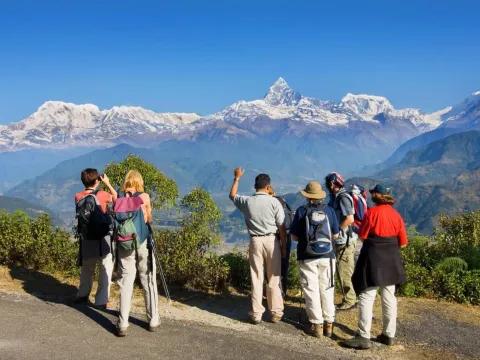
Nepal is widely recognized as one of the world’s ultimate trekking destinations, offering routes that range from iconic high-altitude journeys to hidden cultural trails. Each trekking route presents a unique combination of Himalayan scenery, ethnic diversity, and adventure intensity, making Nepal suitable for trekkers of all experience levels.
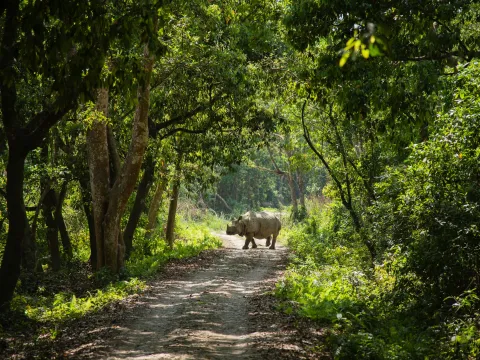
Nepal is a compact yet incredibly diverse destination where dramatic Himalayan landscapes meet ancient cities, spiritual heritage, and rich wildlife. For first-time travelers, it offers a rare combination of mountain adventure, cultural immersion, and peaceful retreats—all within relatively short travel distances. The country is especially rewarding for those who want variety in a single trip without long internal travel times.