Everest Region
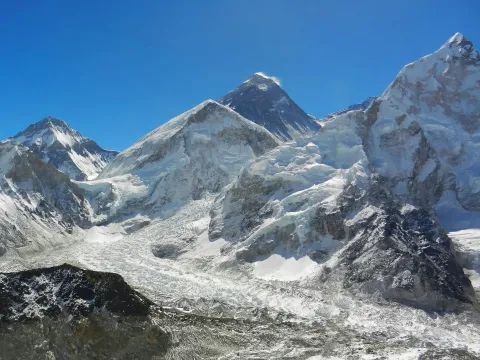
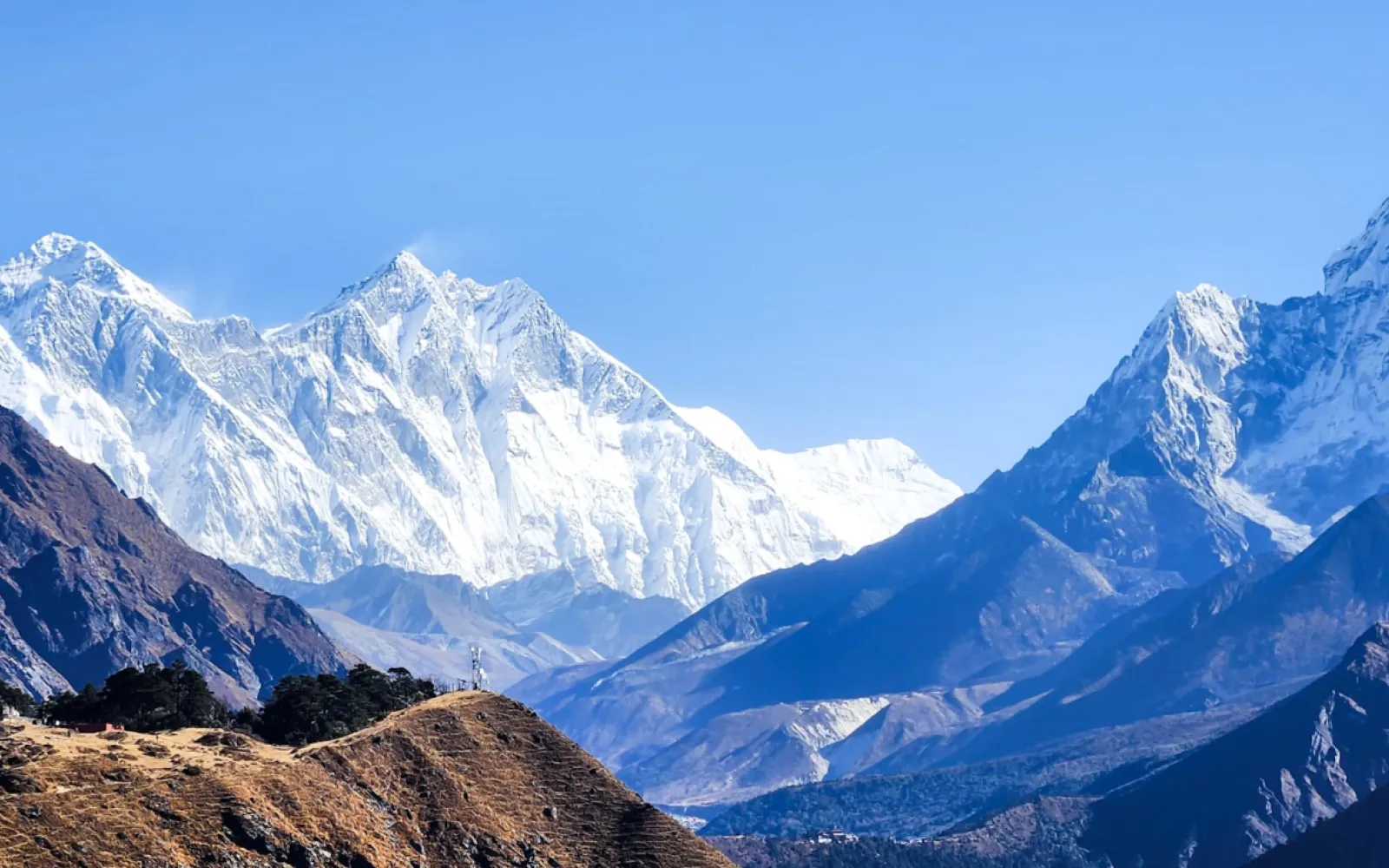
The Everest Base Camp Trek is one of the most iconic high-altitude trekking adventures in the world, taking trekkers deep into the heart of the Khumbu region of Nepal. Operated by Trail Mania Trek, this journey offers a structured 15-day itinerary that combines cultural immersion, Himalayan landscapes, and gradual altitude gain to safely reach Everest Base Camp at 5,364 meters. The trek begins in Kathmandu and transitions through Lukla, Phakding, Namche Bazaar, Tengboche, Dingboche, Lobuche, and finally Gorak Shep before reaching the base of the world’s highest peak.This trek is not just about reaching Everest Base Camp; it is about experiencing Sherpa culture, Buddhist monasteries, suspension bridges, glacier valleys, and panoramic views of Everest, Lhotse, Ama Dablam, and Nuptse. Trail Mania Trek ensures proper acclimatization days in Namche Bazaar and Dingboche, which are critical for reducing altitude sickness risk and improving success rates.The route is carefully designed for both adventure and safety, making it suitable for trekkers with moderate fitness levels who are prepared for long walking days and high-altitude conditions.Iconic Everest Base Camp (5,364 m)Scenic Lukla flight experienceSherpa culture in Namche BazaarViews from Kala Patthar (5,545 m)Glacier and Himalayan landscapesBest Season for Everest Base Camp TrekThe best seasons for the Everest Base Camp Trek organized by Trail Mania Trek are spring (March to May) and autumn (September to November). These months offer the most stable weather conditions, clear mountain views, and safer trekking routes. During spring, the trail is decorated with blooming rhododendrons and moderate temperatures, while autumn provides crisp air and excellent visibility after the monsoon season.Winter (December to February) is also possible but extremely cold at higher altitudes, especially around Lobuche and Gorak Shep. Monsoon season (June to August) is generally avoided due to heavy rain, slippery trails, flight delays in Lukla, and limited visibility of the mountains.Trail Mania Trek carefully schedules departures during peak seasons to maximize safety and visibility, ensuring trekkers experience Everest in its clearest and most photogenic conditions.Seasonal summary:Spring: Best for flowers and stable weatherAutumn: Best for visibility and trekking comfortWinter: Cold but less crowdedMonsoon: Not recommended due to rain and landslidesEverest Base Camp Trek Difficulty and TransportationThe Everest Base Camp Trek is considered moderately challenging to difficult, mainly due to altitude rather than technical climbing. Trail Mania Trek designs the itinerary with gradual elevation gain, but trekkers still walk 5–7 hours daily over uneven terrain, stone steps, and high-altitude landscapes. The main challenge is reduced oxygen levels above 3,500 meters, especially after Namche Bazaar.Transportation begins with a scenic domestic flight from Kathmandu to Lukla, one of the most thrilling airports in the world. This flight is weather-dependent and may experience delays. From Lukla onward, all travel is on foot until the return flight from Lukla back to Kathmandu.The trek requires good physical fitness, stamina, and mental endurance. No technical mountaineering skills are needed, but preparation such as cardio training, hiking practice, and altitude awareness is highly recommended.Difficulty & transport points:Moderate to strenuous trekking levelDaily 5–7 hours walkingNo technical climbing requiredFlight: Kathmandu ↔ Lukla (weather dependent)Walking is the primary mode of transport throughout trekFood and Accommodation for Everest Base Camp TrekDuring the Everest Base Camp Trek organized by Trail Mania Trek, accommodation is provided in local teahouses, which are simple mountain lodges run by Sherpa families. Rooms are usually twin-sharing with basic bedding. As altitude increases, facilities become more basic, especially beyond Dingboche and Lobuche, but they remain clean and safe.Meals are included or available in teahouses and consist of freshly prepared Nepali and international dishes. The most common meal is “Dal Bhat” (rice, lentils, vegetables), which provides high energy for trekking. Other options include noodles, pasta, soups, potatoes, eggs, and Tibetan bread. As altitude increases, menu variety reduces due to transportation limitations.Trail Mania Trek ensures hygienic food stops and recommends warm, energy-rich meals to maintain stamina and reduce altitude fatigue.Food & accommodation points:Teahouse accommodation throughout trekTwin-sharing basic roomsHot meals available at all stopsDal Bhat is the most energy-rich mealLimited variety at higher altitudesEverest Base Camp Trek PermitsTo complete the Everest Base Camp Trek, trekkers require several official permits, which are arranged by Trail Mania Trek to ensure a smooth and hassle-free experience. The main permits include the Sagarmatha National Park Entry Permit and the Khumbu Pasang Lhamu Rural Municipality Permit.These permits are mandatory for all foreign trekkers entering the Everest region. The national park permit helps support conservation efforts, while the local permit contributes to community development in the Khumbu region. All permit checks are conducted at entry points such as Monjo and other checkpoints along the trail.Trail Mania Trek handles all documentation in advance, ensuring trekkers do not face delays or administrative challenges during the journey.Permit essentials:Sagarmatha National Park Permit requiredKhumbu Rural Municipality Permit requiredIssued and managed by Trail Mania TrekChecked at multiple trekking checkpointsMandatory for all trekkersWhy Choose Everest Base Camp Trek with Trail Mania TrekChoosing the Everest Base Camp Trek with Trail Mania Trek ensures a well-organized, safe, and culturally enriching Himalayan experience. The company focuses on guided safety, proper acclimatization scheduling, experienced local guides, and personalized trekking support. This significantly increases comfort and success rates for reaching Everest Base Camp and Kala Patthar.Trail Mania Trek emphasizes responsible tourism, supporting local communities, and ensuring environmentally conscious trekking practices. Their guides are trained in altitude sickness management, emergency response, and cultural interpretation, making the journey both safe and informative.From airport pickup in Kathmandu to the final farewell dinner, every detail is carefully managed to reduce stress and maximize adventure.Why choose Trail Mania Trek:Experienced local guides and portersProper acclimatization planningFull permit and logistics managementSafe and structured 15-day itineraryStrong focus on responsible tourism
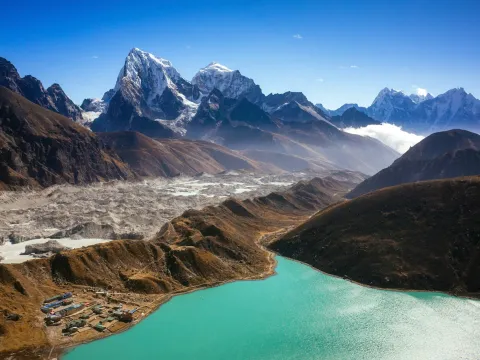
The Everest Three Pass Trek is one of the most adventurous and complete trekking routes in the Everest region of Nepal, combining high mountain passes, remote valleys, Sherpa culture, and iconic Himalayan views. Organized by Trail Mania Trek, this journey connects three major high passes—Kongma La, Cho La, and Renjo La—while also visiting highlights such as Everest Base Camp and Gokyo Lakes. The trek begins in Kathmandu, the capital of Nepal, and continues with a scenic flight to Lukla, the gateway to the Everest region.This itinerary is not just a trek but a full Himalayan expedition that takes you through famous settlements like Namche Bazaar, Tengboche, and Gorak Shep. Trekkers experience diverse landscapes ranging from lush pine forests and suspension bridges to icy glaciers and high-altitude deserts. The trek also offers cultural immersion with the Sherpa communities, ancient monasteries, and traditional Himalayan lifestyles.Cross three high Himalayan passes above 5,300mVisit Everest Base Camp and Kala Patthar viewpointExplore Gokyo Lakes and Ngozumpa GlacierExperience Sherpa culture in Namche Bazaar and TengbocheDesigned for experienced trekkers seeking adventureBest Season for Everest Three Pass TrekThe best time to complete the Everest Three Pass Trek with Trail Mania Trek is during the two main trekking seasons in Nepal: spring (March to May) and autumn (September to November). These months offer the most stable weather conditions, clear skies, and excellent mountain visibility, which are essential for crossing high passes like Kongma La and Cho La safely.During spring, the trails are filled with blooming rhododendrons and moderate temperatures, making the journey visually stunning and comfortable. Autumn, on the other hand, is the most popular season due to crystal-clear views of peaks like Mount Everest and Lhotse. Winter trekking is possible but extremely challenging due to heavy snowfall and freezing temperatures at high passes, while the monsoon season brings rain, slippery trails, and poor visibility.Seasonal Breakdown:Spring (Mar–May): Flowers, stable weather, good visibilityAutumn (Sep–Nov): Best views, safest conditionsWinter (Dec–Feb): Very cold, difficult high passesMonsoon (Jun–Aug): Wet, risky, not recommendedEverest Three Pass Trek Difficulty and TransportationThe Everest Three Pass Trek is considered a strenuous and high-altitude adventure trek, requiring excellent physical fitness, endurance, and prior trekking experience. With multiple passes above 5,300 meters, long walking days, and unpredictable mountain weather, trekkers must be well-prepared for altitude-related challenges. Acclimatization days in places like Dingboche and Namche Bazaar are essential for safety and success.Transportation begins with a domestic flight from Kathmandu to Lukla, one of the world’s most thrilling air routes. From there, all travel is on foot, with support from experienced guides and porters provided by Trail Mania Trek. Emergency helicopter evacuation is also available if needed, especially in high-altitude sections like Kongma La or Cho La Pass.The trek involves walking 6–8 hours daily, steep ascents, glacier crossings, and rocky terrain. Weather changes quickly, and altitude sickness is a real concern above 4,000 meters.Difficulty & Transport Points:Strenuous trekking with high-altitude passesRequires strong physical and mental enduranceFlight: Kathmandu → Lukla → KathmanduNo road transport beyond LuklaEmergency helicopter rescue availableFood and Accommodation for Everest Three Pass TrekDuring the Everest Three Pass Trek, Trail Mania Trek ensures comfortable teahouse accommodation and nutritious meals along the route. Lodges are available in all major stops such as Phakding, Namche Bazaar, Dingboche, Lobuche, and Gokyo. While facilities become more basic at higher altitudes, they provide warm hospitality and essential comfort for trekkers.Food options mainly include traditional Nepali meals like dal bhat (rice, lentils, and vegetables), as well as noodles, soups, potatoes, eggs, and Tibetan bread. In lower regions, international dishes such as pasta, pancakes, and fried rice are also available. As altitude increases, menu variety decreases due to transportation limitations.Accommodation is usually twin-sharing rooms with shared bathrooms. Heating is limited, so sleeping bags are recommended. Teahouses also serve as social hubs where trekkers gather around dining stoves in the evenings.Food & Accommodation Points:Teahouse lodging throughout the trekBasic but clean rooms at higher altitudesNutritious meals (dal bhat, soups, noodles)Limited menu above 4,000mWarm communal dining areas for social interactionEverest Three Pass Trek PermitsTo complete the Everest Three Pass Trek, trekkers need several official permits, which are arranged by Trail Mania Trek for a hassle-free experience. These permits are mandatory to enter the Everest region and to support conservation and local development efforts.The primary permits include the Sagarmatha National Park Entry Permit, which allows access to protected areas including Everest Base Camp and Gokyo region, and the Khumbu Pasang Lhamu Rural Municipality Permit, which replaces the old TIMS card system in the Everest region. These permits are checked at various checkpoints along the route, especially near Namche Bazaar.All permits must be carried throughout the trek, and your guide ensures proper documentation and compliance with local regulations.Permit Checklist:Sagarmatha National Park Entry PermitKhumbu Pasang Lhamu Rural Municipality PermitPassport and passport-size photos requiredManaged fully by Trail Mania TrekChecked at multiple trekking checkpointsWhy Choose Everest Three Pass Trek with Trail Mania TrekChoosing the Everest Three Pass Trek with Trail Mania Trek ensures a professionally guided, safe, and well-organized Himalayan adventure. This trek is not just about reaching Everest Base Camp but about exploring the complete Everest region through its three legendary high passes, offering unmatched panoramic views and cultural depth.Trail Mania Trek provides experienced mountain guides, safety-focused itineraries, proper acclimatization schedules, and emergency support, ensuring trekkers are well-prepared for high-altitude challenges. The company also emphasizes responsible trekking practices, supporting local communities in places like Namche Bazaar, Tengboche, and Gokyo Valley.This trek is ideal for adventure seekers who want a more challenging and less crowded alternative to the standard Everest Base Camp route. It combines physical challenge, natural beauty, and cultural immersion into one epic journey.Why Choose This Trek:Complete the Everest circuit via three high passesExpert guidance from Trail Mania Trek professionalsStrong safety and acclimatization planningCultural immersion in Sherpa villagesBest panoramic Himalayan views in Nepal