Hotel in Kathmandu and Lodge / Tea House during trek
The Langtang Valley Trek is one of Nepal’s most scenic and culturally rich trekking experiences, located just north of Kathmandu. Operated by Trail Mania Trek, this 10-day journey takes you through lush forests, traditional Tamang villages, high alpine valleys, and breathtaking Himalayan viewpoints. The trek follows the classic route through Syabrubesi, Lama Hotel, Langtang Village, and culminates at Kyanjin Gompa, offering an authentic Himalayan experience without the extreme altitude of Everest or Annapurna.
This trek is known for its combination of natural beauty and cultural immersion. Trekkers experience dense rhododendron forests, cascading waterfalls, yak pastures, and panoramic views of Langtang Lirung and surrounding peaks. The highlight is the day hike to Tserko Ri (5,000m), offering one of the best sunrise views in the region.
The Langtang Valley Trek can be done almost year-round, but certain seasons provide the best visibility, safety, and trekking comfort. Trail Mania Trek strongly recommends choosing either spring or autumn for the most rewarding experience.
Spring (March–May):
This is one of the most beautiful seasons, as rhododendron forests bloom in vibrant colors. Temperatures are moderate, skies are generally clear, and wildlife activity increases. This season is ideal for photographers and nature lovers.
Autumn (September–November):
Autumn is the most popular trekking season in Nepal. The monsoon clears the air, leaving crisp mountain views and stable weather. Trails are busy but lively, and conditions are perfect for reaching higher viewpoints like Tserko Ri.
Winter & Monsoon (December–February / June–August):
Winter offers solitude but cold temperatures and possible snowfall at higher elevations like Kyanjin Gompa. Monsoon brings rain, leeches, and landslides on road sections near Syabrubesi.
Best season summary:
The Langtang Valley Trek is considered a moderate-level trek, suitable for beginners with reasonable fitness and experienced trekkers seeking a shorter Himalayan adventure. The highest point, Tserko Ri (5,000m), requires good stamina due to altitude gain, but no technical climbing skills are needed.
Daily trekking ranges from 3 to 8 hours, with gradual altitude gain from Syabrubesi (1,550m) to Kyanjin Gompa (3,870m). The main challenge is altitude sickness risk and long ascents, especially between the Lama Hotel and Langtang Village.
Transportation is a key part of the journey. The trek begins with a long but scenic 7–8 hour drive from Kathmandu to Syabrubesi via mountain roads. Trail Mania Trek organizes private or shared jeep transport depending on group size.
Difficulty breakdown:
Food and accommodation along the Langtang Valley Trek are simple but comfortable, offering warm hospitality in traditional teahouses. Trail Mania Trek ensures trekkers stay in safe and clean lodges throughout the route, from Syabrubesi to Kyanjin Gompa.
Meals are freshly prepared in teahouses using local ingredients. The staple food is Dal Bhat (rice, lentils, vegetables), which provides high energy for trekking. Other options include noodles, pasta, soups, eggs, pancakes, and Tibetan bread. At higher altitudes like Kyanjin Gompa, food options become more limited but still sufficient.
Accommodation is mostly twin-sharing rooms with basic bedding. Bathrooms are usually shared, and hot showers may be available for an extra charge. The rooms are cozy but simple, reflecting the remote mountain environment.
Food & lodging highlights:
Accommodation points:
To trek in the Langtang region, two main permits are required. Trail Mania Trek handles all permit arrangements to ensure a hassle-free experience for trekkers.
The required permits include the Langtang National Park Entry Permit and the TIMS (Trekkers’ Information Management System) Card. These are mandatory for all trekkers entering the region via Syabrubesi.
The Langtang National Park permit is used for conservation and environmental protection of the region, which includes forests, wildlife, and cultural heritage areas. The TIMS card helps track trekkers for safety and emergency support.
Permit requirements:
Important notes:
Choosing the Langtang Valley Trek with Trail Mania Trek offers a perfect balance of adventure, culture, and convenience. Unlike more crowded trekking routes, Langtang remains relatively peaceful while still offering stunning Himalayan scenery and rich cultural interaction.
One of the main reasons to choose this trek is its accessibility from Kathmandu. In just one day’s drive, you enter a completely different world of mountains, glaciers, and traditional villages. The trek also provides a rewarding experience at moderate difficulty, making it ideal for both beginners and experienced trekkers.
The highlight moments include reaching Kyanjin Gompa, exploring yak cheese factories, and hiking to Tserko Ri for panoramic Himalayan views.
Why choose this trek:
Trail Mania Trek advantages:
Your journey begins upon arrival in Kathmandu, the vibrant capital city of Nepal. A representative from Trail Mania Trek will warmly welcome you at the airport and assist with your transfer to the hotel. After check-in, you can rest or explore nearby cultural streets, temples, and markets depending on your arrival time. In the evening, a short briefing session will be conducted to introduce the Langtang Valley Trek itinerary, safety guidelines, and trekking preparations. This day is essential for rest, final gear checks, and mental preparation before heading into the mountains. Kathmandu offers a lively mix of tradition, spirituality, and adventure atmosphere.
Today begins an exciting overland journey from Kathmandu to Syabrubesi, the gateway to the Langtang region. The drive takes approximately 7–8 hours through winding mountain roads, offering stunning views of terraced fields, rivers, and distant Himalayan peaks. Along the way, you will pass through small towns and rural settlements, giving a glimpse of local Nepali life. The road can be bumpy in sections, but the scenery makes the journey worthwhile. Upon arrival in Syabrubesi, you will check into a local lodge, rest, and prepare for the trekking adventure starting the next day.
The trek officially begins as you leave Syabrubesi and enter the lush forests of the Langtang region. The trail gradually ascends alongside the Langtang River, crossing suspension bridges and passing through dense rhododendron and bamboo forests. Wildlife such as monkeys and various bird species can often be spotted along the way. After several hours of steady hiking, you reach Lama Hotel, a peaceful settlement surrounded by forested hills. The environment here is serene, with fresh mountain air and the soothing sound of the river nearby. Overnight stay in a cozy teahouse provides rest for the next day’s ascent.
Leaving Lama Hotel, the trail continues uphill through scenic forests that gradually open into wider valleys. As you gain altitude, the landscape transforms into alpine terrain with breathtaking views of snow-capped peaks. You pass through Ghodatabela, a small settlement often used for lunch breaks, before continuing toward Langtang Village. This village is deeply symbolic, as it has been rebuilt after the 2015 earthquake and now stands as a testament to resilience and community strength. The surrounding views of Langtang Lirung are stunning, and you will spend the night in a local lodge, experiencing warm hospitality.
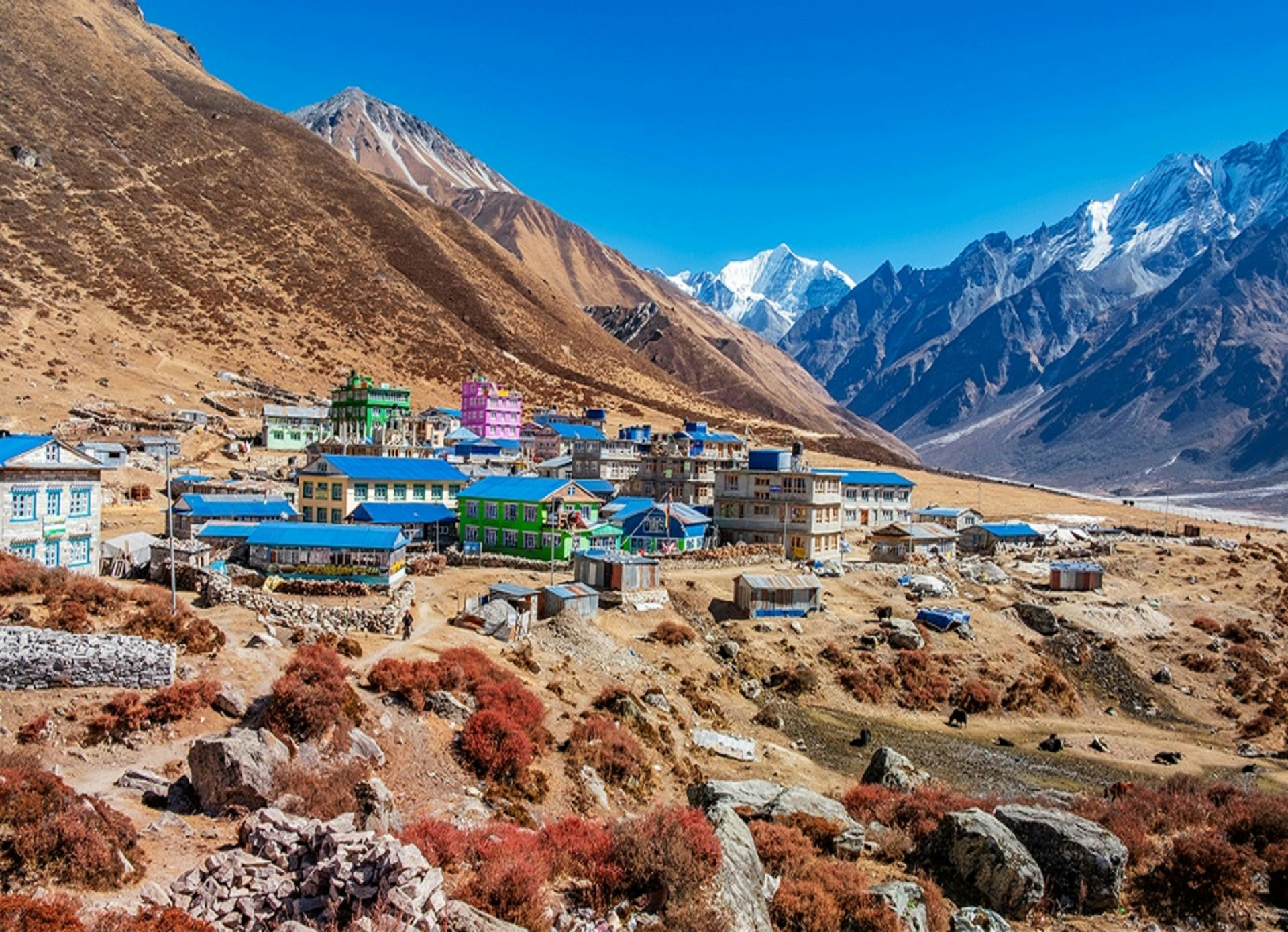
Today’s trek is relatively short but incredibly scenic as you ascend from Langtang Village to Kyanjin Gompa. The trail passes through yak pastures, stone-built houses, and mani walls engraved with Buddhist prayers. As you climb higher, the views become more dramatic, with glaciers and towering peaks dominating the horizon. Upon reaching Kyanjin Gompa, you will explore the ancient monastery and enjoy the peaceful Himalayan atmosphere. This village is the spiritual and cultural highlight of the trek, surrounded by magnificent mountains. The afternoon can be used for acclimatization, short walks, or visiting a local cheese factory.
This is the most challenging and rewarding day of the trek as you hike to Tserko Ri, one of the best viewpoints in the region. Starting early in the morning from Kyanjin Gompa, the steep ascent takes you through rugged terrain and alpine landscapes. The climb is physically demanding due to high altitude, but the panoramic views from the summit are extraordinary, offering 360-degree vistas of Langtang Lirung and surrounding peaks. After spending time at the top, you descend back to Kyanjin Gompa for rest. This day plays a crucial role in acclimatization and is often considered the highlight of the entire trek.
After a memorable stay in Kyanjin Gompa, you begin your descent back toward lower elevations. The trail retraces your steps through Langtang Village and continues downhill toward Lama Hotel. Although descending is easier on the lungs, it still requires careful footing due to rocky and uneven terrain. Along the way, you will enjoy different perspectives of the landscapes you passed earlier. The changing scenery feels refreshing as oxygen levels increase and temperatures become warmer. Overnight stay at Lama Hotel offers a peaceful rest in the forested environment.
Today you continue descending from Lama Hotel back to Syabrubesi. The trail leads through lush forests, river crossings, and small settlements, gradually transitioning back into lower hill terrain. This section of the trek feels relaxed compared to earlier days, allowing you to reflect on the journey through the Langtang Valley. You may encounter local villagers and wildlife along the way. Upon reaching Syabrubesi, you will check into a lodge and celebrate the completion of the trekking loop with your team and guide from Trail Mania Trek.
From Syabrubesi, you begin your return drive back to Kathmandu. The journey follows the same scenic mountain road, offering final glimpses of rivers, hills, and rural villages. Although the drive is long and sometimes bumpy, it provides time to rest and reflect on the trekking experience. Upon arrival in Kathmandu, you will be transferred to your hotel. The evening is free for relaxation, shopping in Thamel, or enjoying a farewell dinner organized by Trail Mania Trek.
On your final day, you will be transferred from your hotel in Kathmandu to the international airport for your departure. Depending on your flight schedule, you may have some free time for last-minute souvenir shopping or sightseeing. This marks the end of your Langtang Valley Trek adventure organized by Trail Mania Trek. You leave Nepal with unforgettable memories of Himalayan landscapes, warm hospitality, and a rewarding trekking experience. The journey through Langtang Valley offers not only natural beauty but also cultural depth and personal achievement that will stay with you long after departure.
Your Start Date is the day you land in Nepal, and your End Date is when you fly home.
If the set Langtang Valley Trek group dates don’t suit your schedule, we can offer alternative dates upon request.
The Langtang Valley Trek was a fantastic experience with stunning mountain scenery and a welcoming local culture. Trail Mania Trek organized everything perfectly, making the journey smooth, enjoyable, and memorable.
The Langtang Valley Trek is considered a moderate trekking route in Nepal, making it suitable for beginners with reasonable fitness as well as experienced trekkers. The trails involve daily walking of 5–7 hours through forests, villages, and alpine terrain, with some steep ascents and descents. While no technical climbing is required, altitude gain can make the trek physically demanding, especially above 3,000 meters. Proper acclimatization, steady pacing, and preparation are important. Trail Mania Trek ensures guided support, safe pacing, and well-planned itineraries to help trekkers complete the journey comfortably and successfully.
No prior high-altitude trekking experience is required for the Langtang Valley Trek, but basic fitness and preparation are important. The route is designed for trekkers who can walk several hours a day on uneven terrain. Beginners often successfully complete this trek with proper pacing and guidance. Trail Mania Trek provides experienced guides who assist with acclimatization, route navigation, and safety support. Simple training like walking, hiking, or light cardio before the trip can greatly improve your comfort level during the trek. Mental preparation is also helpful for handling altitude and long walking days.
Altitude sickness can affect trekkers above 3,000 meters, so prevention is very important on the Langtang Valley Trek. The best way to avoid it is by ascending slowly, staying hydrated, and allowing your body time to acclimatize. Trail Mania Trek designs itineraries with gradual elevation gain and includes rest stops to reduce risk. Symptoms like headache, dizziness, or nausea should never be ignored. Guides are trained to recognize early signs and take necessary action. Avoiding alcohol and maintaining a steady walking pace also significantly helps in preventing altitude-related issues.
Choosing Trail Mania Trek ensures a safe, well-organized, and memorable trekking experience in the Langtang region. The company provides experienced local guides, personalized service, and carefully planned itineraries that prioritize safety and acclimatization. From permits and transportation to accommodation and meals, everything is managed professionally, allowing trekkers to focus on enjoying the journey. Trail Mania Trek also emphasizes responsible tourism and supports local communities along the route. Their attention to detail, friendly service, and deep knowledge of the region make them a reliable choice for Himalayan adventures.
The best time for the Langtang Valley Trek is during spring (March to May) and autumn (September to November). These seasons offer stable weather, clear skies, and excellent mountain views. Spring is known for blooming rhododendrons and vibrant landscapes, while autumn provides crisp air and ideal visibility of Himalayan peaks. Winter trekking is possible but colder and more challenging due to snow at higher elevations. Monsoon season (June to August) is less recommended because of heavy rain and slippery trails. Trail Mania Trek operates guided trips throughout the main seasons for optimal safety and experience.
To complete the Langtang Valley Trek, trekkers need two main permits: the Langtang National Park Entry Permit and the TIMS (Trekkers’ Information Management System) card. These permits help regulate trekking activities and ensure safety within the region. If you book your trek through Trail Mania Trek, all necessary permits are arranged on your behalf, saving you time and hassle. The permits are checked at entry points along the trail, especially near Syabrubesi. Carrying valid identification documents is also essential during the trekking journey.
Accommodation along the Langtang Valley Trek consists mainly of teahouses and small mountain lodges run by local families. These lodges provide basic but comfortable facilities, including a bed, blanket, and shared dining areas. As altitude increases, services become simpler but still welcoming. Hot meals are available, offering both local Nepali dishes and some international options. Trail Mania Trek carefully selects clean and safe teahouses to ensure a comfortable stay for trekkers. While luxury is limited in remote areas, the warm hospitality and mountain atmosphere create a memorable experience throughout the journey.
During the Langtang Valley Trek, teahouses offer a variety of freshly prepared meals suitable for trekkers. The most common dish is Dal Bhat (rice, lentil soup, and vegetables), which provides high energy for long trekking days. Other options include noodles, pasta, fried rice, soups, potatoes, and pancakes. As you go higher, food variety becomes slightly limited due to transportation challenges. Trail Mania Trek ensures trekkers receive hygienic and nutritious meals throughout the journey. Drinking plenty of fluids and eating balanced meals is important for maintaining energy and preventing altitude sickness.
The Langtang Valley Trek is generally safe when proper precautions are followed. The trail is well-established and frequently used by trekkers, especially during peak seasons. The main risk comes from altitude sickness and weather changes, which is why gradual ascent and acclimatization days are important. Trail Mania Trek provides trained guides who monitor health conditions, manage emergencies, and ensure safe trekking practices. Carrying proper gear and following guide instructions significantly increases safety. With responsible planning, the trek is considered one of the safer Himalayan trekking routes in Nepal.
Packing properly is essential for a comfortable trekking experience. You should carry warm clothing layers, a waterproof jacket, trekking boots, gloves, and a hat for sun and cold protection. A good-quality backpack, sleeping bag, water bottle, sunscreen, and personal medications are also necessary. Since weather can change quickly in the mountains, layering is the best approach. Trail Mania Trek provides a packing checklist before departure to ensure you are fully prepared. Carrying light but essential gear helps reduce fatigue and makes trekking more enjoyable throughout the journey.